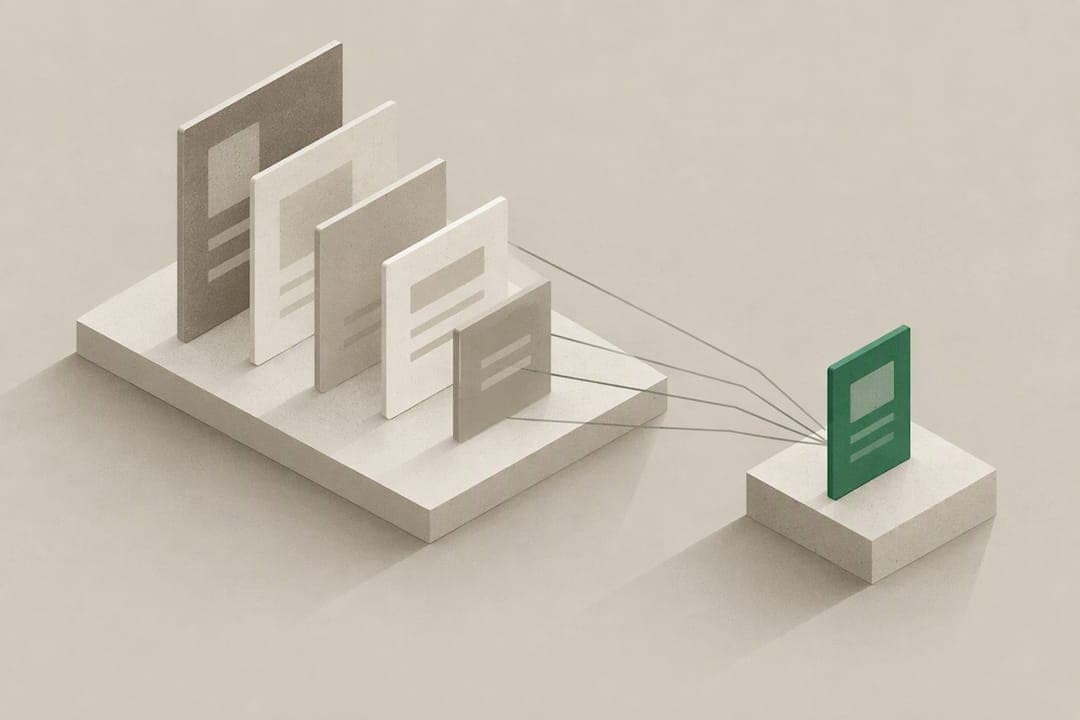
The most reliable way to price an antique is to start with recent sold prices for comparable pieces, then adjust for condition, provenance and your chosen sales channel. Document the item, pull two or three solid comparables, and decide whether you need a formal appraisal before you set a number. Tools like PriceXPoint can speed up the comparables search, while guidance from groups like ICOM and the Smithsonian Institution helps you judge authenticity and condition correctly.
TL;DR:
- Use realized auction results or marketplace sold filters, not asking prices, and inspect lot notes, condition photos, and provenance before accepting a comparable.
- Compare three to five recent sales in similar condition, then adjust for repairs, rarity, documented ownership, fees, shipping, and currency to estimate net proceeds.
- Insurance, estate, or tax filings require written appraisals; single item estimates start around $250 to $500, while full reports cost $500 to $1,500 or more.
- A maker’s mark alone cannot authenticate an antique; compare materials, dimensions, construction, wear, and repairs, and choose a noncontingent fee appraiser for formal reports.
Table of Contents
- Step-by-step method to estimate an antique's resale price yourself
- Where to find reliable comparables and why sold prices matter
- When to hire a professional appraiser: scope, fees, and red flags
- Which physical and documentary factors most change value
- Pricing and sales-channel strategies for sellers
- Using an AI price-research agent to speed and verify your comparables
- Why a blended approach wins
- Find real sold prices faster with PriceXPoint
- FAQ
- Sources
Step-by-step method to estimate an antique's resale price yourself
Start by documenting the piece before anything else touches it. Measure it, photograph every angle including the underside and interior, and record maker's marks, labels, dates and any repairs you can see. This record matters later, whether you are listing the item or handing it to an appraiser.
Next, hunt for recent sold comparables rather than asking prices. Auction house realized-price archives and marketplace "sold" filters show what buyers actually paid, which is the only evidence that reflects real demand.
From there, adjust your baseline for condition, restoration history, rarity and provenance, then factor in listing fees, shipping and currency before settling on a price band.
- Document the item: measurements, photos, marks, materials and any damage.
- Pull three to five recent sold comparables in similar condition.
- Adjust the price up or down for condition, repairs, rarity and documented ownership history.
- Subtract expected fees and shipping to find your real net target.
- Set a listing price band and pick a channel that fits the item's value tier.
Where to find reliable comparables and why sold prices matter
Asking prices tell you what a seller hopes for. Sold prices tell you what a buyer actually paid, and that gap can be large for antiques where sellers routinely overvalue sentimental or inherited pieces. Treating a listing price as market value is one of the most common mistakes collectors make.
- Auction house realized-price archives, which document documented sale results with buyer's premium shown, are the strongest primary evidence.
- Marketplace "sold" filters and specialist sale archives narrow results to completed transactions rather than wishful asking prices.
- Price guides and category databases help with rare or niche items, but check the publication date and region before trusting a figure.
- Flea markets and regional sales often price lower than specialist auctions, reflecting a smaller, less specialized buyer pool.
Pro Tip: Open the full lot listing for any comparable sale, not just the headline price. Lot notes, condition photos and provenance details tell you whether that sale is actually comparable to your piece.
When to hire a professional appraiser: scope, fees, and red flags
A resale estimate and a formal appraisal are not the same thing. A quick comparables check can tell you what an item might fetch on the open market, but insurance claims, estate settlements and tax filings typically require a written report from a qualified appraiser.
Planning ranges vary by scope: a single-item estimate commonly starts around $250 to $500, while a full written report for insurance or estate purposes often runs $500 to $1,500 or more. Mixed estates are usually quoted separately once the appraiser sees the full scope.
- Ask whether the fee is flat, hourly or per-item, and avoid any appraiser who charges a percentage of the item's value.
- A non-contingent fee protects you from an appraiser who might inflate a value to earn a bigger paycheck.
- Expect a credible report to include identification, condition notes, provenance, comparable sales, the basis for value and an effective date.
- Confirm the appraiser states the limits of their opinion, since insurance, replacement and resale values are different bases.
Which physical and documentary factors most change value
Condition carries enormous weight. Original finish, minimal repairs and an intact surface tend to hold value, while heavy restoration, replaced parts or past losses pull price down even on a rare piece.
Provenance can add a real premium when it is documented: prior ownership records, exhibition history or publication in a catalogue all count. According to AAMD guidance, a maker's mark alone does not authenticate a piece. Authentication requires comparing construction, materials, dimensions, wear and repairs against documented references, not just a signature or stamp.
- Original finish and minimal restoration generally support higher value than heavily repaired surfaces.
- Documented ownership, exhibition or publication history can raise buyer confidence and price.
- Materials and construction technique (hand-cut dovetails, hand-applied veneer) often signal age and craftsmanship.
- Measurements and construction notes recorded before any cleaning support later attribution.
For textiles specifically, the Smithsonian Institution recommends storage at 65 to 70 degrees Fahrenheit and 40 to 50 percent relative humidity to prevent deterioration that can erode future value. Age alone is not a price multiplier; how a piece has been conserved matters just as much.
Pricing and sales-channel strategies for sellers
Your net proceeds depend as much on channel as on the item's value. Auctions charge a buyer's premium plus seller fees, while marketplaces charge listing and transaction fees along with shipping costs you often absorb or pass on. Run both scenarios before picking a channel.
- Build your starting price or reserve from the middle of your comparable sold-price range, not the highest outlier.
- If you are using a fixed-price platform, set a buy-it-now price slightly above your reserve to leave room for negotiation.
- Write a full presentation: clear photos, honest condition disclosure, a provenance summary and exact measurements.
- Match timing and venue to the item: seasonal collectibles sell better near their peak season, and niche pieces often do best through specialist auctions rather than general marketplaces.
Pro Tip: A detailed listing with measurements and condition notes narrows buyer uncertainty, and buyers pay more when they have fewer unanswered questions.
Using an AI price-research agent to speed and verify your comparables
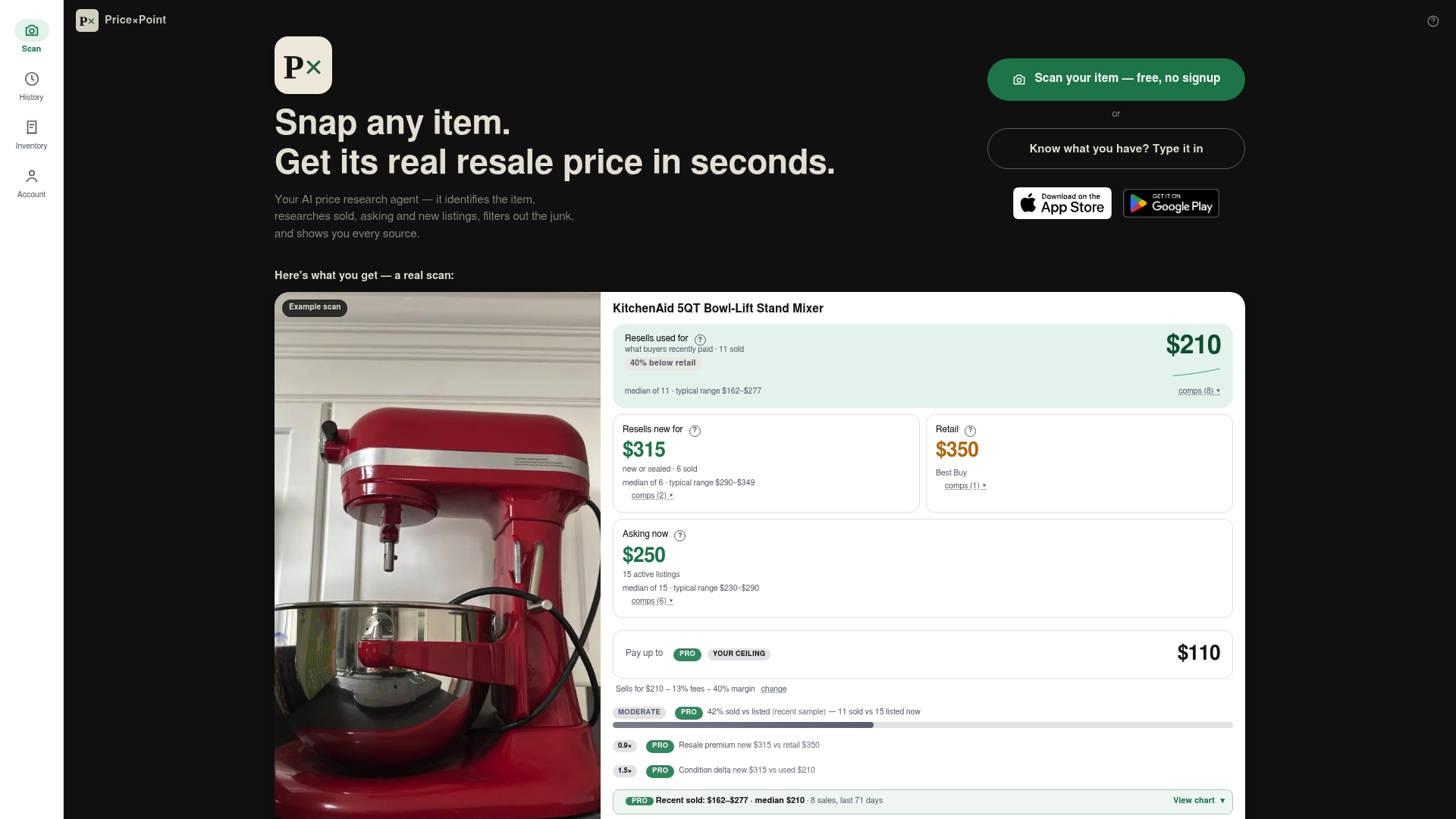
Manual comparables research takes time: searching multiple auction archives and marketplaces, filtering out asking prices, and cross-checking condition. An app like PriceXPoint identifies an item from a photo or name, then aggregates sold, asking and new listings across markets and links each figure back to its source so you can verify it yourself.
- Filter results to realized sales only, since asking prices inflate what an item appears to be worth.
- Export your scan history to keep a record you can attach to a listing or hand to an appraiser as a starting point.
- Use saved searches on pages like real sold-price lookups as supporting evidence rather than a final answer.
A price-research app speeds up the comparables stage of pricing. It does not replace a formal written appraisal when insurance, estate or tax purposes require one.
Why a blended approach wins

Market prices for antiques move with taste, supply and channel, so no comparables search gives you a permanent number. Use sold-price data for your baseline, then lean on provenance knowledge and conservation judgment for the details data cannot capture.
The practical rule holds regardless of category: document everything before you touch the item, and pay for a non-contingent, written appraisal only when a formal use actually requires one.
— PricexPoint
Find real sold prices faster with PriceXPoint
We built PriceXPoint to cut the hours out of comparables research. Snap a photo or type an item's name, and we surface sold, asking and new listings across multiple marketplaces, each one linked back to its source so you can check it yourself instead of taking a number on faith.
- Run a quick scan on a piece you're pricing and pull three to five realized sales in minutes.
- Attach the linked results directly to a listing or to an appraiser's intake form as supporting evidence.
- Check what items sell for using real examples like the Canon T50 before you set your own price.
| Plan | Price |
|---|---|
| Basic | $4.99 per month |
| Pro | $9.99 per month |
| Power | $24.99 per month |
| 100 tokens | $5.99 one-time purchase |
| 300 tokens | $12.99 one-time purchase |
| 1000 tokens | $34.99 one-time purchase |
Pro Tip: Run a scan before you list anything. A five-minute check against real sold prices beats guessing at a number and watching it sit unsold.
Visit our pricing page to pick a plan, or buy a token pack if you only need to price a handful of items this month. If you're hunting for pieces in person first, check listings like the vintage market at Stardust Vintage Emporium on EventHound for local buying opportunities before you bring a find home to price.

FAQ
How to value antiques online for free?
Search recent sold listings on auction archives and marketplace "sold" filters for pieces matching your item's maker, material and condition. A photo-based identification tool such as PriceXPoint can also surface comparable listings quickly at no cost on its free tier.
Is 50 years old vintage or antique?
Definitions vary by category and dealer, but "antique" is most commonly reserved for items 100 years or older, while "vintage" typically covers items that are at least 20 to 40 years old but younger than that threshold. A 50-year-old piece is generally described as vintage rather than antique.
Where can I shop for antiques online?
Specialist auction houses, established antique marketplaces and sale archives are the most reliable places to shop, since they typically show condition photos and sale history. Checking a comparable sold price before buying, using a tool like PriceXPoint, helps confirm an asking price is reasonable.
Where is the best place to get antiques valued?
For a quick resale estimate, recent sold comparables from auction archives give you a solid market baseline. For a formal written valuation needed for insurance, estate or tax purposes, work with an independent appraiser who charges a non-contingent fee rather than a percentage of value.
Sources
For deeper reading on the standards referenced throughout this guide, these sources cover provenance research, conservation and appraisal pricing in more depth.